Understanding Open-Cell vs. Closed-Cell Foam

When selecting foam materials industries such as HVAC, appliance, and automotive, details are crucial. One of the most important distinctions to understand is open-cell versus closed-cell foam. Though they may appear similar at first glance, these two foam types have very different structures, properties, and applications. Choosing the right foam can impact everything from performance and durability to cost efficiency.

What is the Difference?

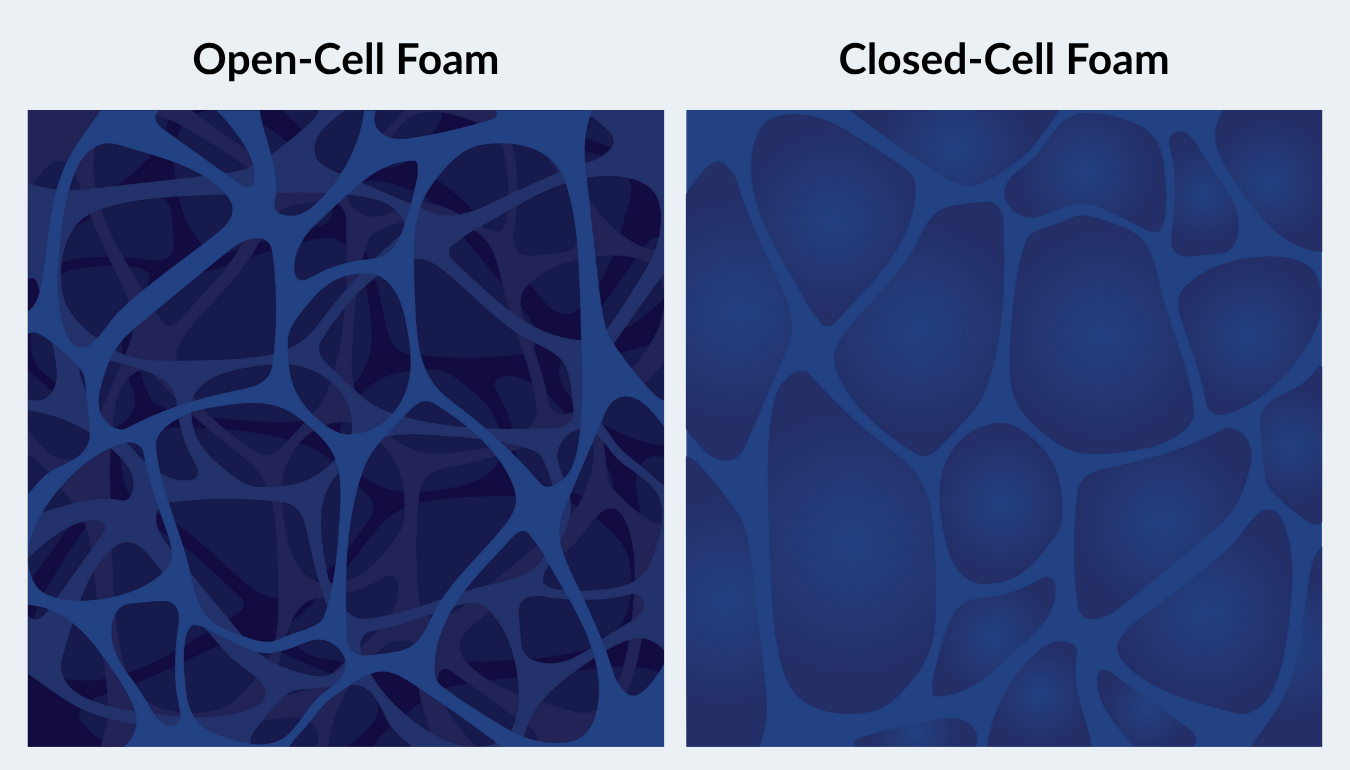
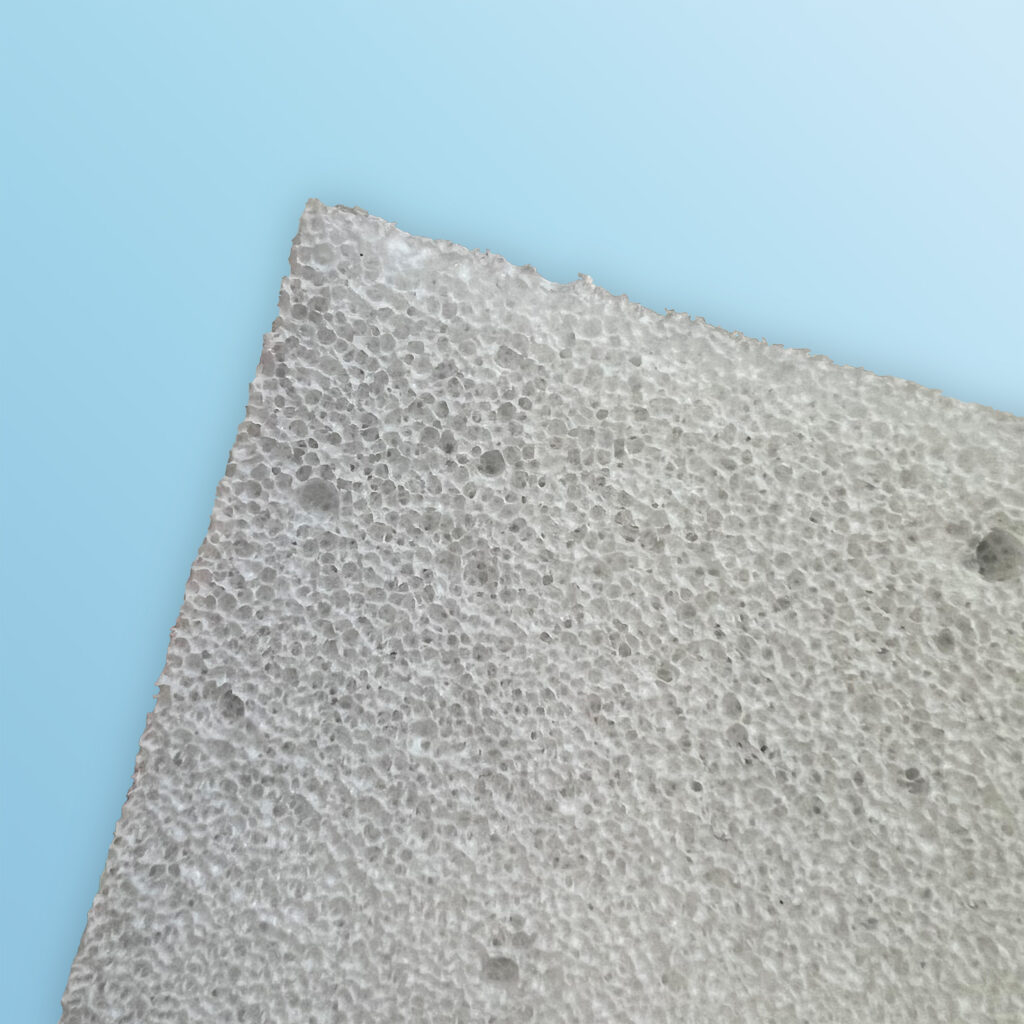
Open-cell foam is made up of interconnected cells, which means the tiny air pockets within the foam are not completely enclosed. This gives it a softer, more flexible structure and allows air and moisture to pass through more easily.

In closed-cell foam, each air pocket is fully contained within its own cell, creating a more rigid structure. This structure makes the foam denser, more moisture resistant, and more durable over time.

Open-Cell Foam

Key Traits

  • Lightweight: Its porous structure keeps it extremely light.
  • Flexible: It can easily conform to shapes and surfaces.
  • Softer Feel: Offers cushioning and comfort.
  • Low Density: Less material per volume, which also contributes to lower cost.
  • Cost Efficient: Less material per volume, which contributes to lower cost.

Applications

One of the most common uses for open-cell foam is acoustic insulation. Due to the porous structure of the foam, open-cell foam is an excellent sound absorber. Its cushioning properties are also great for padding and vibration dampening.

Because it is soft and flexible, open-cell foam is frequently used in protective packaging. The foam is able to absorb shock and protect fragile items during transit.

Common Materials

  • Poliuretano
  • PVC
  • EPDM
  • Silicona

Closed-Cell Foam

Key Traits

  • Sturdier: Its denser structure provides greater rigidity and strength.
  • Moisture Resistant: The sealed cells prevent water from passing through, making the foam almost impermeable.

Applications

Because closed-cell foam is often denser than open-cell foam, it is used more frequently for thermal insulation. The airtight structure provides excellent temperature control. 

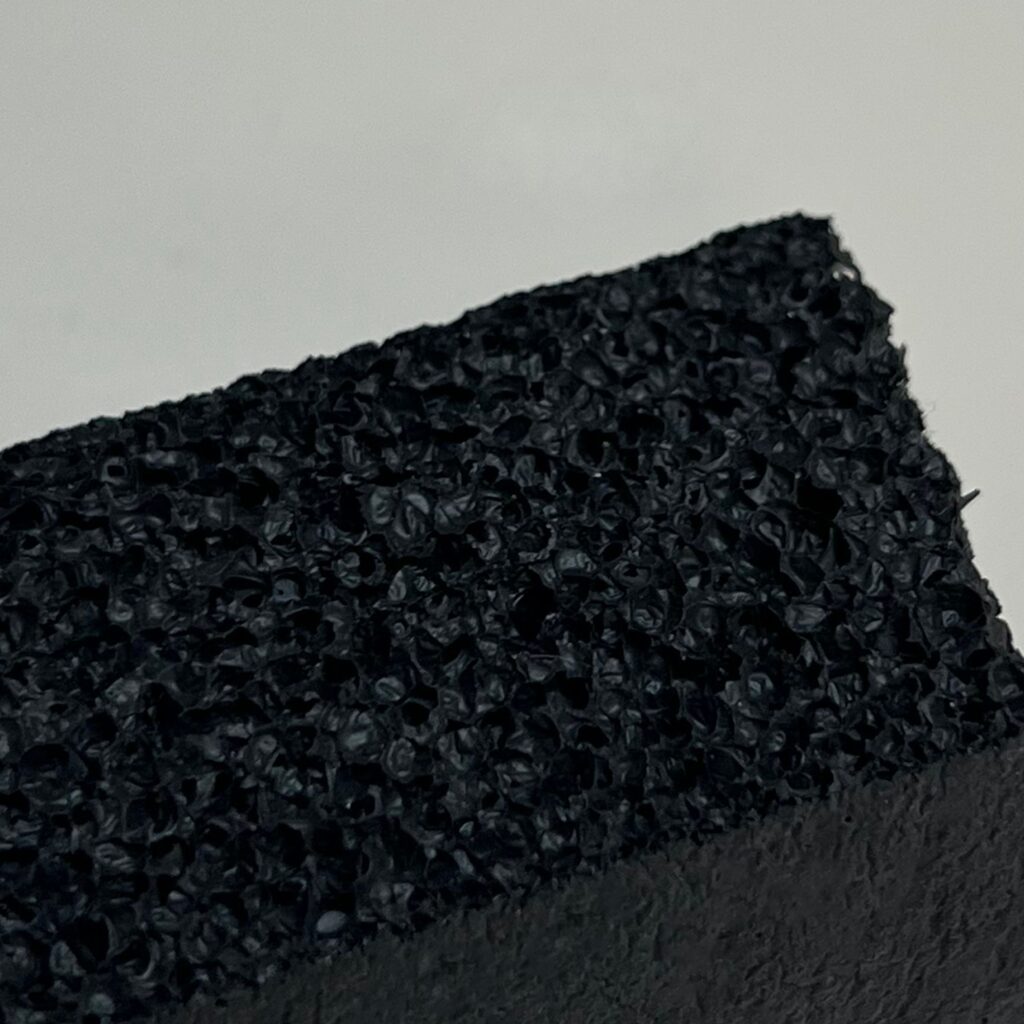
Closed-cell foam is also a great choice for sealing and gasketing. The closed cells prevent air, moisture, dust, and other environmental factors from passing through. The structure also makes the foam sturdier, which can be very beneficial depending on the application of the gasket.
Common Materials

  • EVA
  • Polyethylene
  • Neopreno
  • PVC

Choosing the Right Foam for Your Project

The decision between open-cell and closed-cell foam depends on your application’s specific needs.

  • If you need cushioning, flexibility, or sound absorption, open-cell foam is often the better fit.
  • If you need strength, water resistance, or thermal insulation, closed-cell foam is the smarter choice.

Understanding these differences can help you make informed decisions that lead to better performance, longer product life, and optimal cost efficiency. Our experts at PSC Industries can help you figure out what material can best meet your project’s needs.

Want to learn more about what types of foam we offer? View our most common materials list or contact your PSC representative for more information.