 English
  Español de México
Best Materials for Thermal Insulation
Effective thermal insulation is crucial in many industries. HVAC units, appliances, automotive vehicles, and aerospace vessels all require effective insulation to function successfully. Utilizing the proper high-temperature materials is critical for the efficiency and safety of the system.
Different insulative materials bring different benefits to the table. At PSC Industries, we utilize several different insulative materials including high temperature foams, fiberglass, ceramic wool, and mineral wool to ensure that your application works as efficiently as possible.
How to Choose Your Thermal Material
There are several important factors that need to be considered when choosing the material for a thermal application. Some important things to keep in mind include:
- Temperature Range: What is the highest temperature that the application needs to be able to endure? Does the material also need to be able to withstand low temperatures? When it comes to temperature range, not all insulative materials are created equally.
- Moisture Resistance: Is the part likely going to encounter any moisture or condensation? Some thermal materials do not react well with water, so it is very important to know if contact with moisture is possible where the application is located.
- Durability: How durable does the component need to be? Will the component be exposed to the environment? Does it need to be flexible without breaking?
- Application: Many thermal materials have other beneficial qualities, such as sealing or sound reducing properties. It is important to consider what other benefits the material may need to have based on the application and what purpose the component may serve.
Foam
One of the most common materials used for insulation is foam. Several different kinds of foam are good choices for insulation and high-temperature applications, including Polyurethane, cross-linked polyethylene, polystyrene, melamine, silicone, and closed-cell foam.
There are many benefits to using foam for thermal insulation depending on the type of foam. Closed-cell foam is an excellent option for high-temperature applications that require an airtight seal, such as gaskets. The compressible qualities of polyurethane also make it a great choice for insulative sealing and vibration reduction.
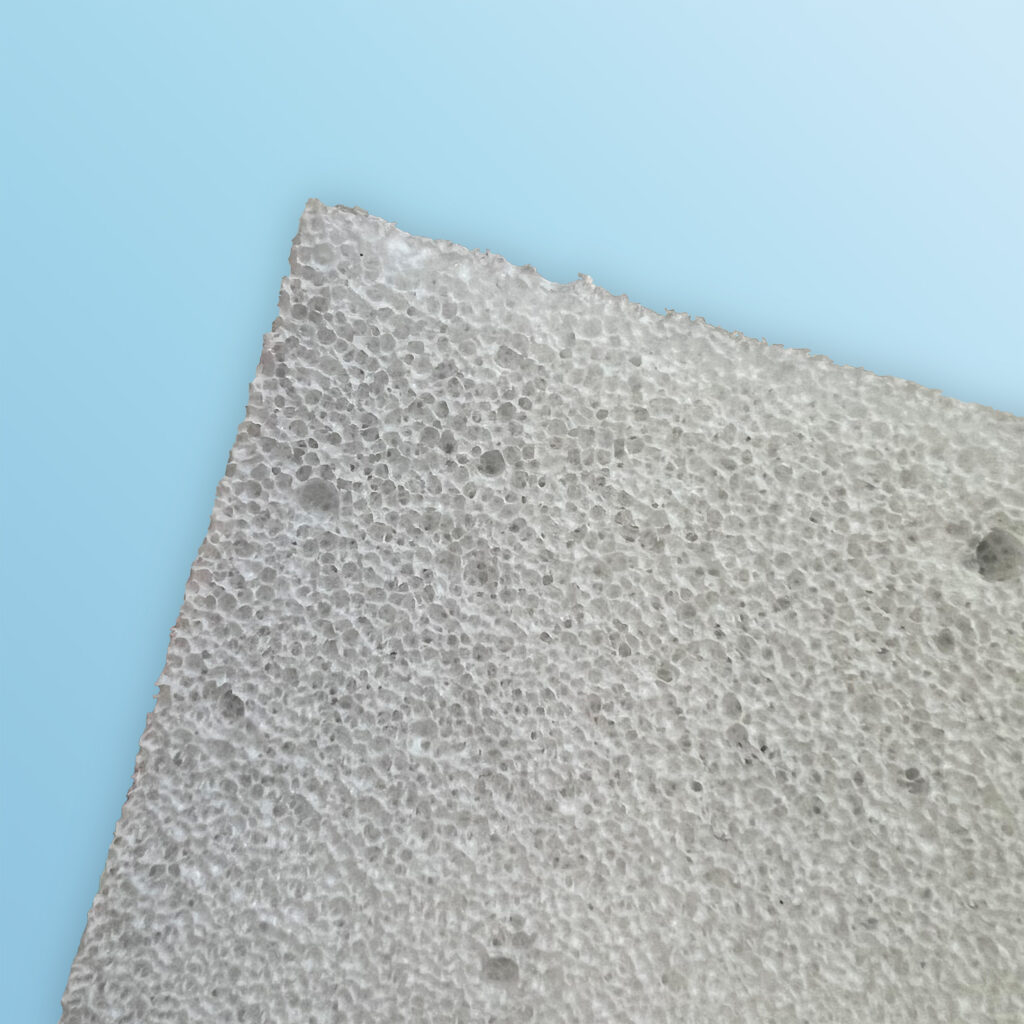
Some foams, such as cross-linked polyethylene, are moisture resistant, which is very beneficial in environments prone to condensation. In general, foam tends to be less susceptible to water damage than other insulative materials, such as fiberglass.
Fiberglass
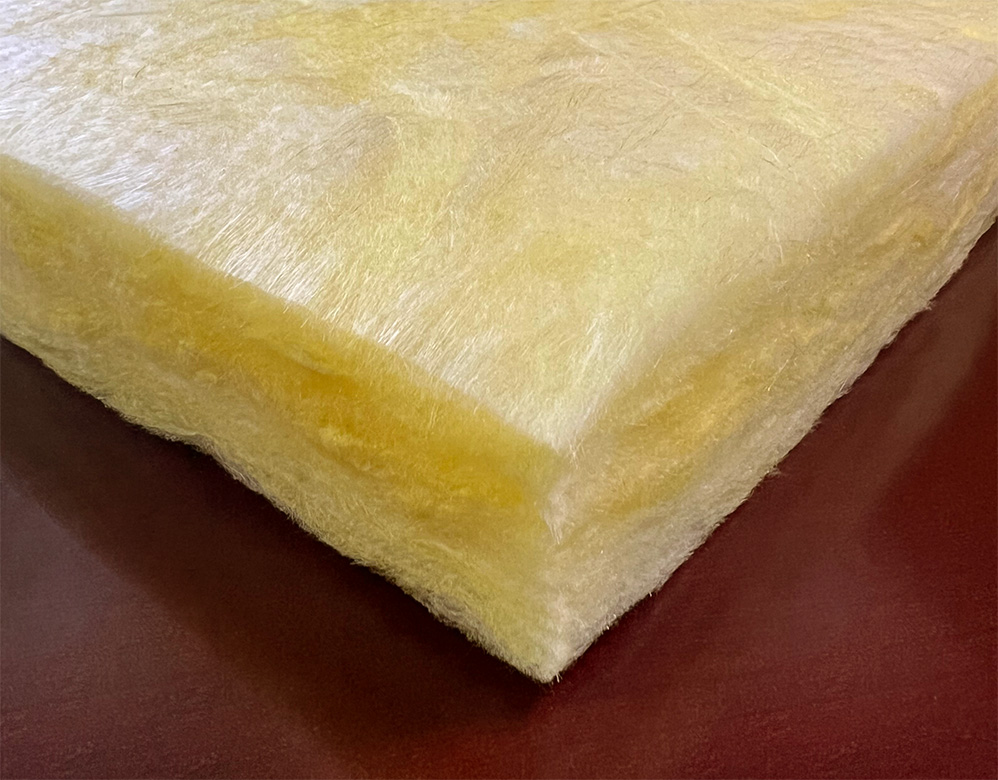
Fiberglass is one of the most popular and cost-effective options for thermal insulation. It can withstand significantly higher temperatures than foam, sometimes reaching 1000˚F depending on the composition.
Fiberglass is lightweight, flexible, and very durable. In addition to having a high tensile strength, the flexibility of the fibers allows fiberglass to be compressed and absorb impact without damage.
Fiberglass is also an excellent material for sound reduction. The interwoven fiber structure of the material absorbs sound waves.
Ceramic Wool
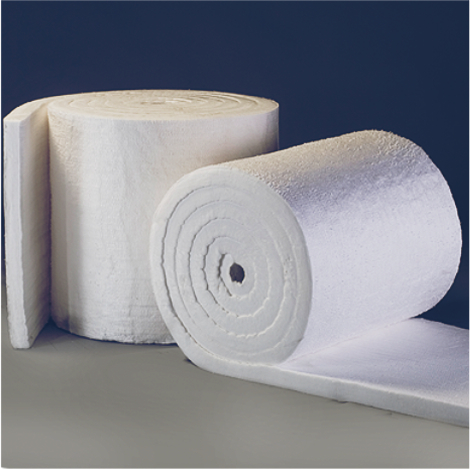
Another great material for thermal insulation is ceramic wool. Ceramic wool can endure much higher temperatures than other insulative materials, reaching up to 2500˚F.
Additionally, ceramic wool has low thermal conductivity, managing these high temperatures while allowing very little heat to transfer. This helps promote system stability and energy efficiency.
Ceramic wool is very lightweight and flexible, making it fit well in many different applications.
Mineral Wool
Mineral wool is also a great option for high-temperature insulation. In addition to being able to withstand temperatures up to 1200˚F, mineral wool is also fireproof.
Unlike some other types of insulation, mineral wool is moisture resistant. This can be very beneficial in situations where condensation is present to help prevent mold.
Mineral wool also acts as acoustic insulation. It is highly effective for sound absorption, reducing sound up to 50db.
Making the Right Choice
Backed by decades of experience, our material experts at PSC Industries ensure that you always have the best thermal material for your application, focusing on both performance and cost efficiency. Whether you’re optimizing an existing design or developing a new one, our team is ready to help you find the right material to meet your technical requirements while keeping costs under control.
To learn more about the materials we offer, you can find a more comprehensive list of our materials offered here.